
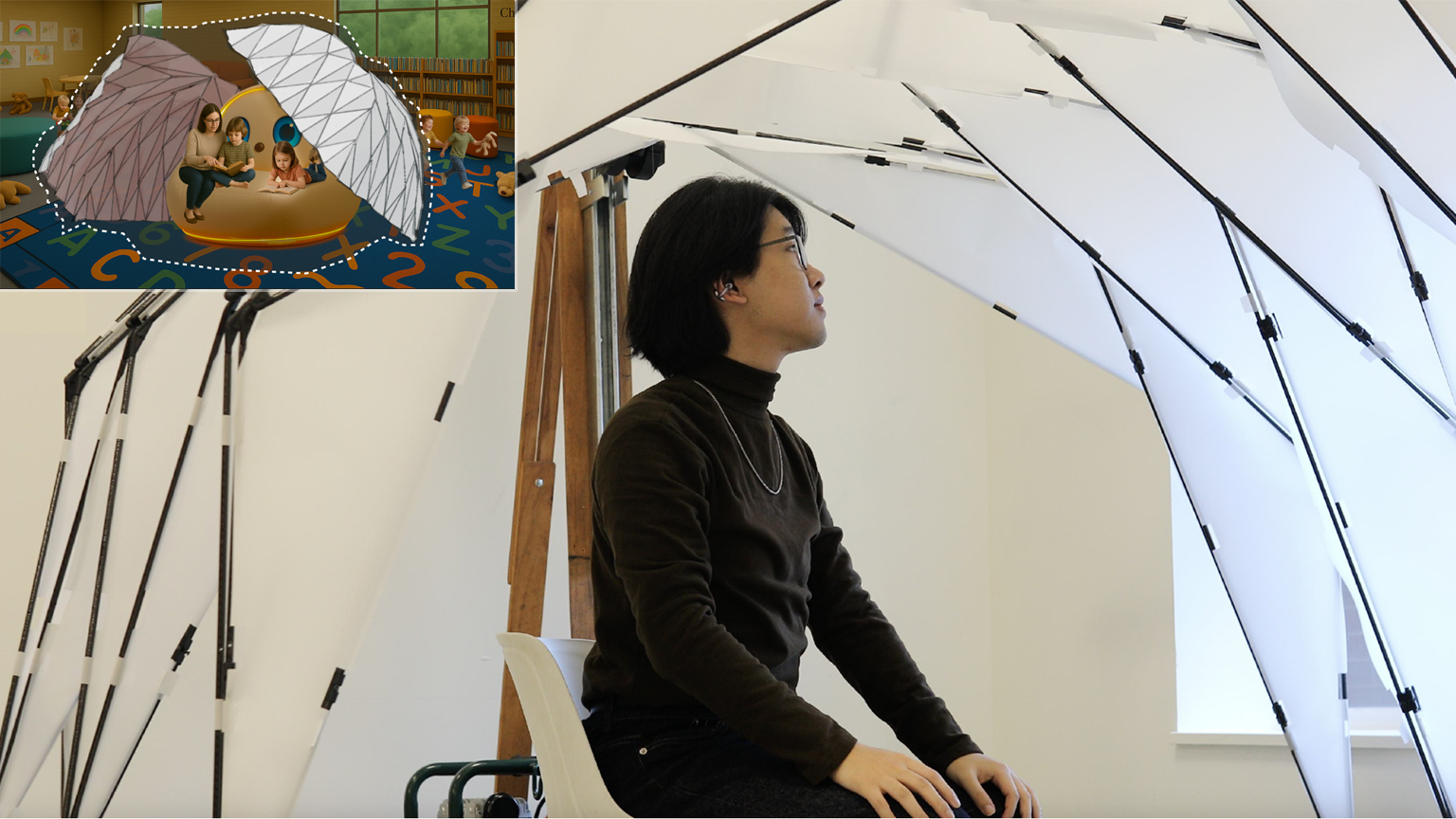
By Ann Hoevel | October 29, 2026
Georgia Tech’s new Ph.D. in Integrated Design and Computing (IDC), led by the School of Industrial Design in partnership with the School of Interactive Computing, puts design at the center of emerging technology research.
“We are putting design in the central position,” said HyunJoo Oh, director of the Ph.D. in IDC and assistant professor in the Schools of Industrial Design and Interactive Computing.
“Computing and technology building is becoming pervasive and accessible,” Oh said. “But how we use those, how we design those for human aspects? We believe the designer’s role needs to be further highlighted.”
That idea is the foundation of the new interdisciplinary Ph.D. in IDC, which combines strengths in design and computing while emphasizing human-centeredness, sustainability, and responsible approaches to technological systems.
The timing, Oh said, is intentional.
“The design field is expanding, exploding almost, along with AI,” Oh said, “and we are among very few interdisciplinary design Ph.D. programs in the nation.”
What Does a Design and Computing Ph.D. Look Like?

Oh has worked on the program since what she calls “the very seed level of the proposal.”
The faculty team looked at a growing number of design doctoral programs around the world, finding relatively few interdisciplinary programs that crossed multiple academic units.
As a result, the new Georgia Tech program stands apart from its peers in both design and computing.
The School of Industrial Design will administer the degree. Faculty from Industrial Design and the School of Interactive Computing working together to recruit and advise students and teach the core curriculum.
Students won’t be expected to neatly divide themselves between the two, Oh said. In fact, students who can already describe themselves entirely through an existing discipline may have less need for a program like this one, she said.
Oh earned her own Ph.D. through an interdisciplinary program at the University of Colorado Boulder. When she started, she knew the things she was interested in. She just didn’t know exactly what to call them.
“I knew I wanted to do something around designers, something around design. I wanted to incorporate some of the technology, but I didn’t know, you know, where to go exactly,” Oh said.
Eventually, she recognized that her research belonged in human-computer interaction.
“I didn’t feel comfortable picking a traditionally categorized discipline initially, because I didn’t know what I wanted to study for my Ph.D.,” she said.
That experience stuck with her.
The new program is meant for students who see possibilities in both design and computing, even if they haven’t figured out precisely where one stops and the other begins.
Oh described them as people who “know they like either or both of those and don’t know how to incorporate them well, but they know for sure they have those in some way combined in their heart.”
Bringing Studio Into the Ph.D.
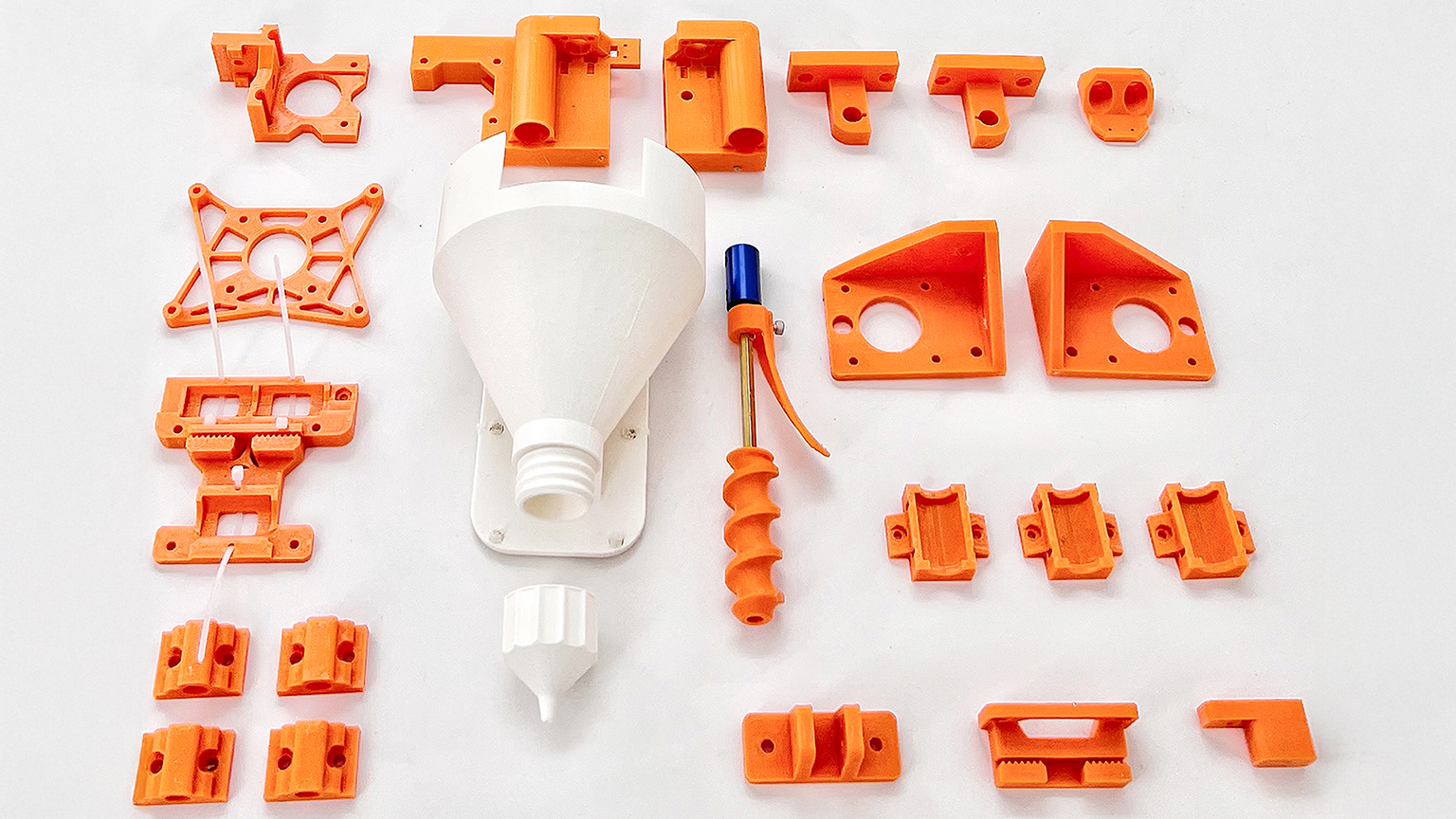
The program also borrows something familiar to most College of Design students: studio.
“Studio is our unique teaching mode at the College of Design,” Oh said.
For designers, that sounds perfectly ordinary. For a Ph.D., it isn’t.
Doctoral education is traditionally built around seminars, lectures and research labs. The Integrated Design and Computing Ph.D. includes a six-credit studio-based core.
That doesn’t mean every student is being trained to become a practicing designer, Oh said.
Instead, studio gives researchers a place to make, test, reconsider and make again. It offers another route between an idea and what happens when that idea encounters an actual person, problem or system.
The program is also exploring ways to bring industry collaboration into its core courses, connecting doctoral research to practical applications.
Sustainability is another important thread, along with human-centeredness and critical approaches to technological systems.
Together, they point toward a larger question behind the degree: What kind of person will we need to make decisions about increasingly intelligent systems?
Oh’s answer isn’t limited to future professors.
“We want to look into really broader world leaders, the next generation of design leaders and system leaders, the technology leaders,” she said.
“Those kinds of decision-makers use design as one of the key factors in their approach.”