set of various colored lights in a dark environment

Distinction in Our Research

Distinction in Our Research

The School of Industrial Design focuses on design solutions based on research. We think that adds a fundamental element to the end user's experience of the objects we design. That's why we offer students and faculty the facilities in which to conduct this research.

We offer students the opportunity to participate in seven different academic labs, access to College of Design and industrial design-led facilities, as well as assistantship possibilities in affiliated College of Design research centers and labs. Learn more about the different ways our faculty and students engage in research.

CoDe Craft Group

Interactive Product Design Lab

Algorithmic Craft Lab

GM HMI Lab

REAR Lab

Body Scan Lab

Health Design CoLab

MultiSense.Studio

Robotic Environment Lab

We-ID Research Lab

CoDe Craft Group

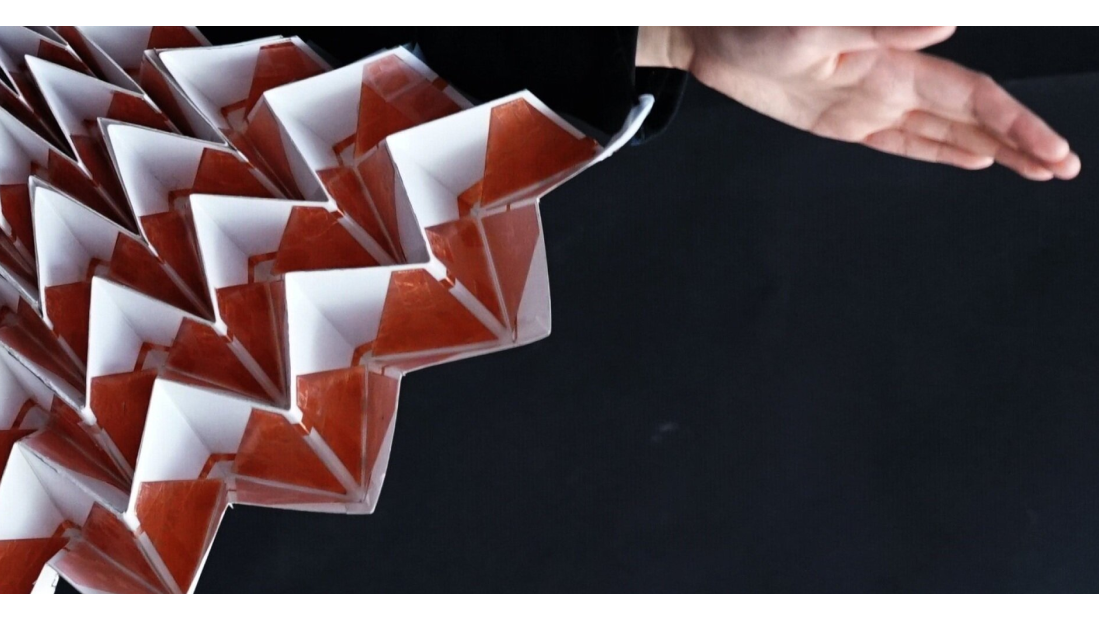
A human arm draped with wearable origami.

CoDe Craft (Computational Design and Craft) designs and builds computational design tools and methods that integrate everyday craft materials with computing. This lab explores how computing technologies can extend and transform familiar and accessible materials both as tools and as materials. The lab investigates how these combinations broaden creative possibilities for designers who strive to make the world a better place to live in. 
Hyunjoo Oh

Lab Director: Hyunjoo Oh

A laptop displaying a lantern design in the background with a human hand touching a lantern model in the foreground.

CoDe Craft Group Website

Interactive Product Design Lab

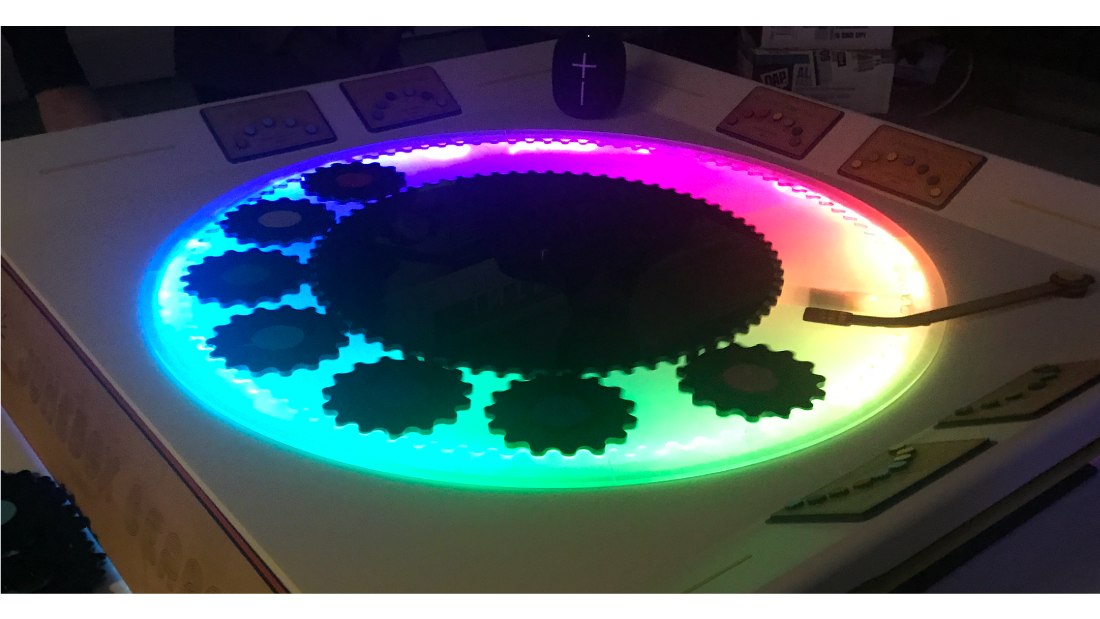
A wooden gear interface backlight with rainbow LED lights.

This lab focuses on smart technologies and student collaboration (undergraduates through Ph.D.) between designers, engineers, and computer scientists. Wearable technology is a feature of this lab's work, with emphasis on the importance of product concept and audience. Half of the time in the lab is spent on storytelling and figuring out how to communicate the use, value, and meaning of a product to users of that product. The prototyping facilities of this lab come in handy when researchers incorporate models in their communications.
Students surround a desk in the IPDL.

IPDL Website

Algorithmic Craft Lab

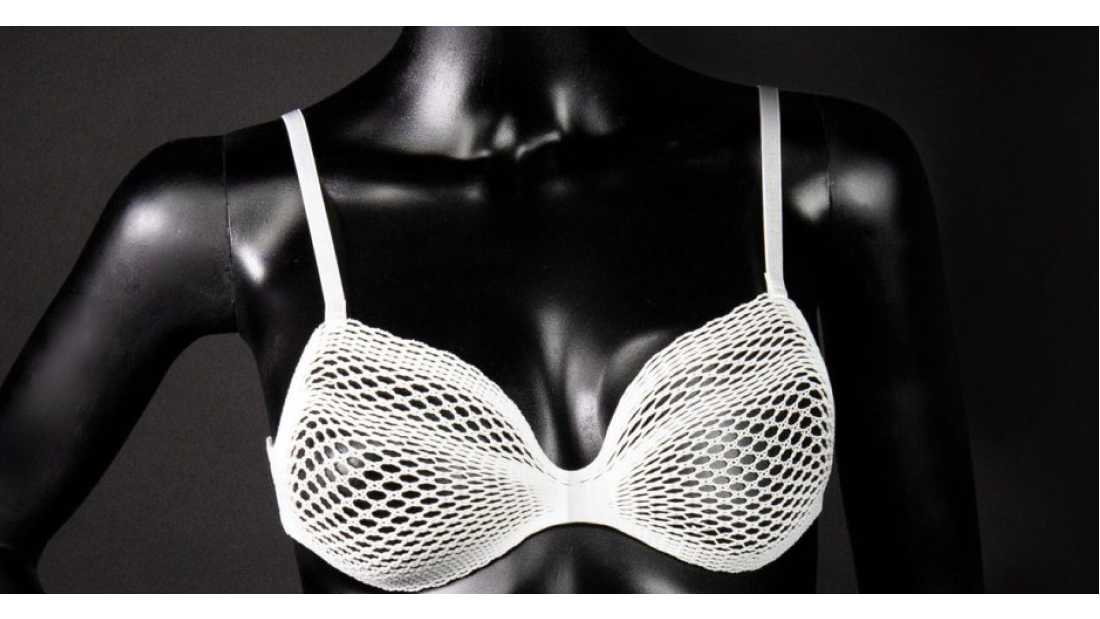
Algorithmic Lace mastectomy braThe Algorithmic Craft Lab examines the combination of endangered and traditional handcraft with algorithmic modeling, producing new modes of production. The first modern computers and binary code were inspired by the weaving process: advancement and craft have always been integrated. This lab emphasizes understanding the history of craft and product. Algorithmic patterning uses mathematic inputs to “model, in this case, each stitch on a micro level and mathematically modeling proportions, shapes and such,” Marks said.

Lisa Marks

Lab Director: Lisa Marks

An example of algorithmic lace

Saving Hand Crafts Through Algorithms

A hand holds a hand-woven net

Space Lace

GM HMI Lab

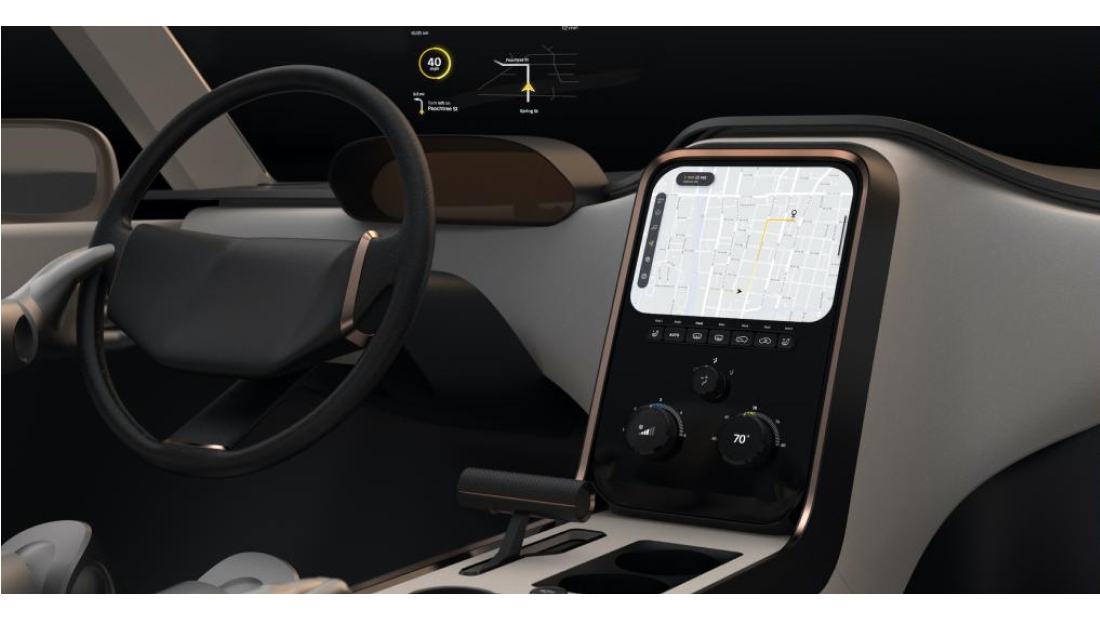
Design rendering of the inside of a futuristic carThe GM Human-Machine Interaction (HMI) Lab is interested in the future of transportation. In this lab, students imagine what that future will look, sound, and feel like. The research figures out how will people interact with their vehicles, and what will they do while being driven around by the virtual chauffeurs of autonomous (self-driving) cars.
Wayne Li

Lab Director: Wayne Li

A car simulator with smart screen in place of a windshield

GM-HMI Lab Page

REAR Lab

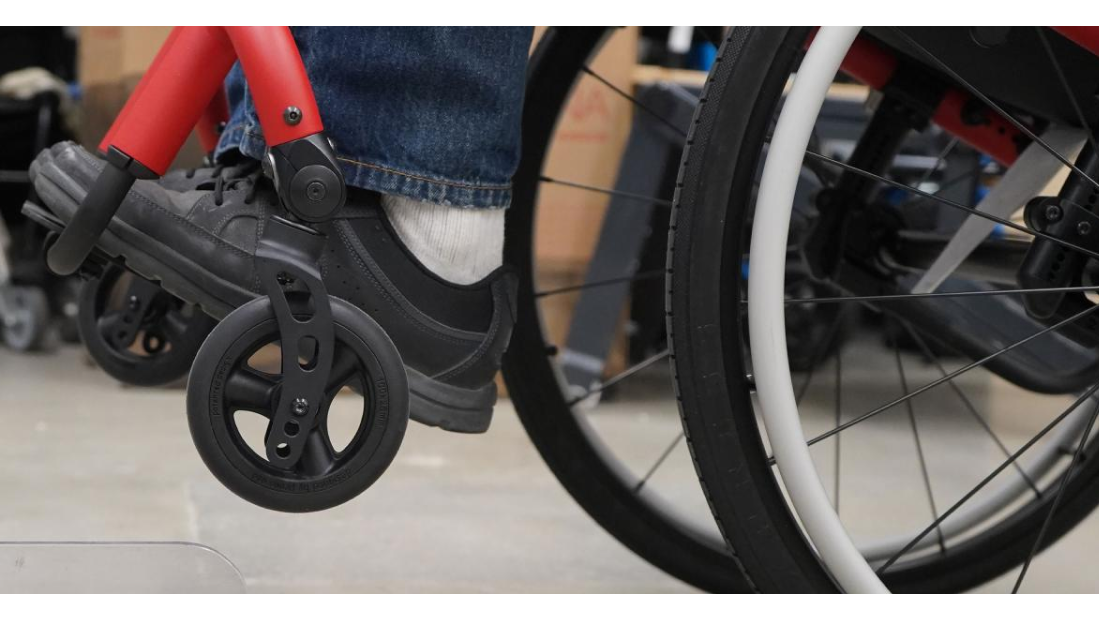
A human foot in a stirrup of a wheelchairThe Rehabilitation Engineering and Applied Research Lab (REAR Lab) takes an applied research approach to studying, developing, and enhancing specialized products that increase the health and user experience value of people with disabilities. Human-centered design is key to the lab's approach to problem-solving and testing. Through specific interest in assistive and diagnostic products and technologies, the REAR lab exposes students to equipment for human subject testing, product testing, and a fabrication space to develop new tools that facilitate research goals.

Stephen Sprigle

Principal Investigator: Stephen Sprigle

A hand holding a prosthetic leg prototype

Rehabilitation Engineering and Applied Research Lab

Body Scan Lab

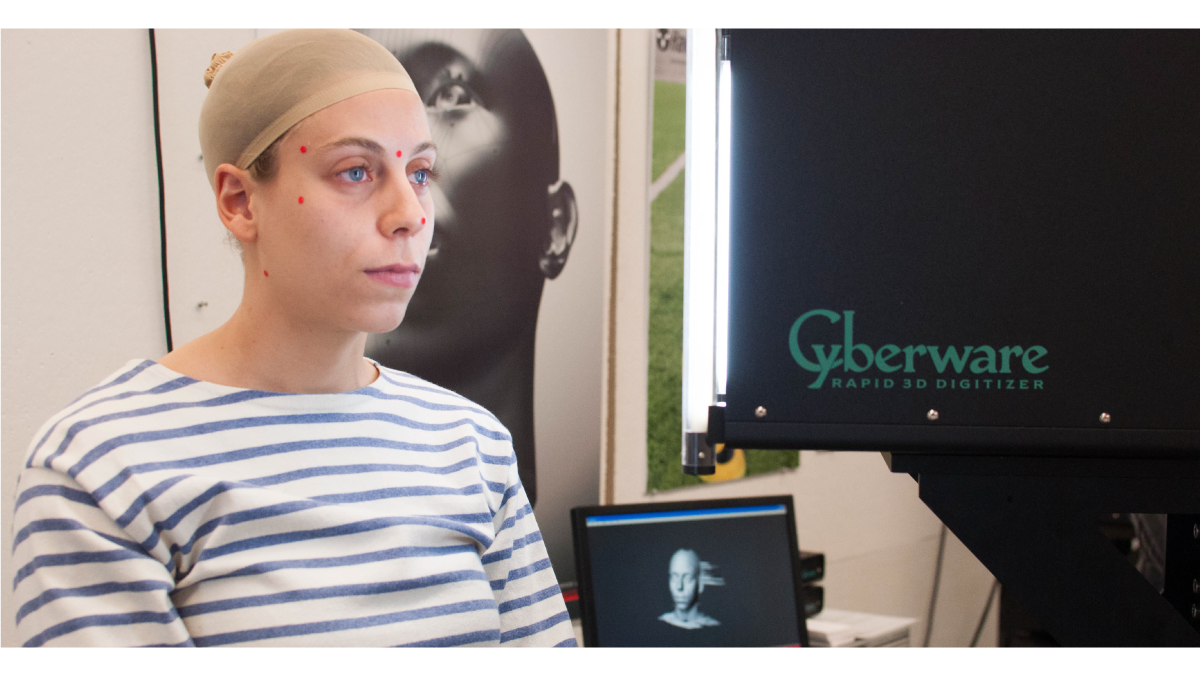
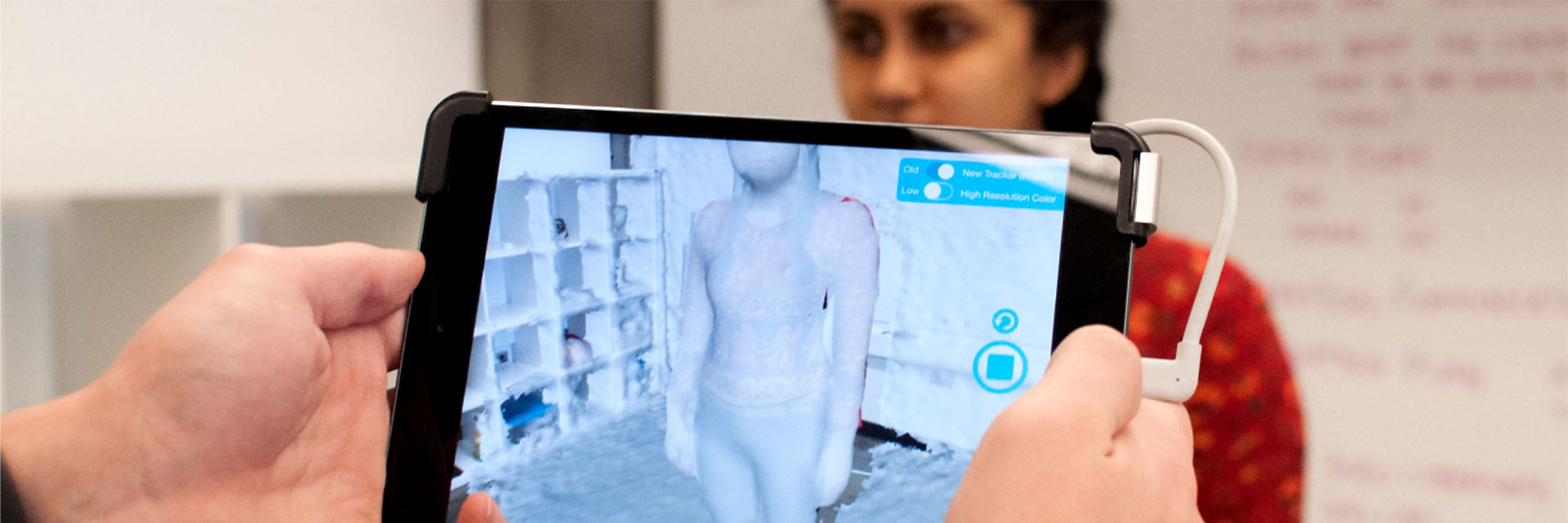
A woman wears a wig cap as her face is scannedThe Body Scan Lab studies the body shape variations of individuals and global populations to create better-fitting products that improve the quality of human life. The research focuses on creating design tools for the human body using high resolution 3D scanning, free-form CAD software, and digital manufacturing methods. 
Roger Ball

Lab Director: Roger Ball

A lamp designed from a scanned cauliflower

Body Scan Lab Page

Health Design CoLab

An elderly person's hand grabs a prototype remote controlThe Health Design CoLab focuses on interdisciplinary research initiatives that utilize participatory design methods to co-design assistive technology solutions aimed at enhancing the health and living conditions of individuals with disabilities or health-related needs. As a design-oriented research team, we are committed to empowering non-design communities in their health-related design practices by providing innovative design tools, methods, and approaches that facilitate their creation processes.

Leila Aflatoony

Lab Director: Leila Aflatoony

Text prompt and generated images of cups for people with limited mobility.

Health Design CoLab Website

Exploration of ideas and prototypes of the designs developed by industrial design students, with the help of occupational therapists, using rapid prototyping tech to create a 3-D printed custom assistive writing tool.

Industrial Design, Rapid Prototyping Tech, and the Co-creation of Assistive Tech

MultiSense.Studio

A graphic map of plot point intersectionsMultiSense.Studio creates inclusive and accessible design solutions through the integration of industrial design, human-computer/AI interaction, multimodal communication, and innovation in assistive technology development. Our research spans tactile and multimodal/embodied learning/cognition and disability studies to design healthy experiences for individuals with diverse abilities. We prioritize access, literacy, harm reduction for well-being, and align with contemporary movements in disability-first innovation, inclusivity, and universal design for learning. Our ethical technology development is driven by community and participatory-based methods, ensuring our solutions meet the needs of diverse populations.

Abigale Stangle

Lab Director: Abigale Stangle

A carved relief sculpture of waves and circles

Multisense Studio Website

A blind man reads braille artwork as the artist looks on

Stangl Gathers Artists, Designers, Community to Champion Tactile Design

Robotic Environment Lab

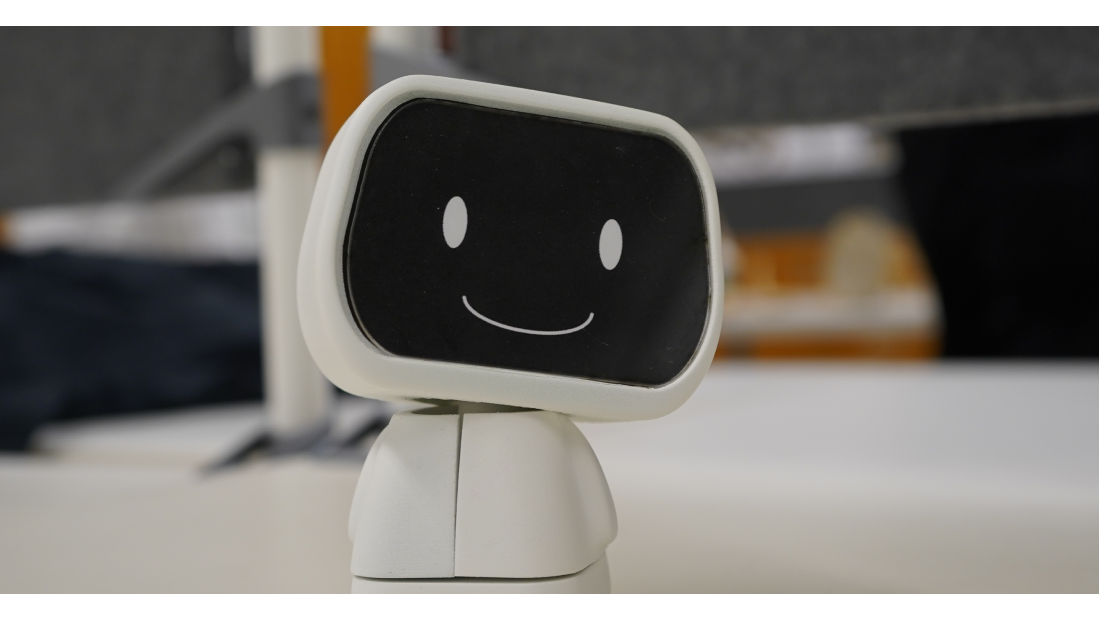
A graphic design of people waving to a robotic towerRobotic environments are built environments embedded with robotic components. The Robotic Environment Lab aims to explore and investigate how robotic environments can shape our everyday life, both physically and socially, through interactivity and adaptivity. Research includes making robotic environments socially intelligent and interactive. Many of the lab projects explore socially interactive robotic environments that seem to have emotions, personalities, and even a set of social roles that can improve and empower our everyday lives. 

Yixiao Wang

Lab Director: Yixiao Wang

A composite image of a student sitting with a robotic prototype, and the prototype's measurements

Robotic Environment Lab Website

We-ID — Well-being through Design Research Lab

Leandro Tonetto and students working with community partner AG RhodesThe We-ID research lab develops design studies, frameworks, and interventions that promote well-being and health for users, designers, and students through participatory processes. It explores how industrial design can address not only physical and mental health but also education, work, and other aspects of daily life. The lab engages in multi-method research and investigates how involving people in co-design and interdisciplinary collaboration can broaden pathways to meaningful well-being outcomes for individuals, organizations, and communities.

Leandro Tonetto headshot

Lab Director: Leandro Tonetto

Leandro Tonetto and students at a workshop at Georgia Tech

We-ID website

Leandro Tonetto and students working with community partner AG Rhodes

New Course Gives Students a Hands-On Role in Designing for Dignity

Have a Question for Us?

 
If you can't find the information you were looking for, we'll get you to the right place.
Contact Us