By Melissa Alonso | November, 2026 - Atlanta, GA
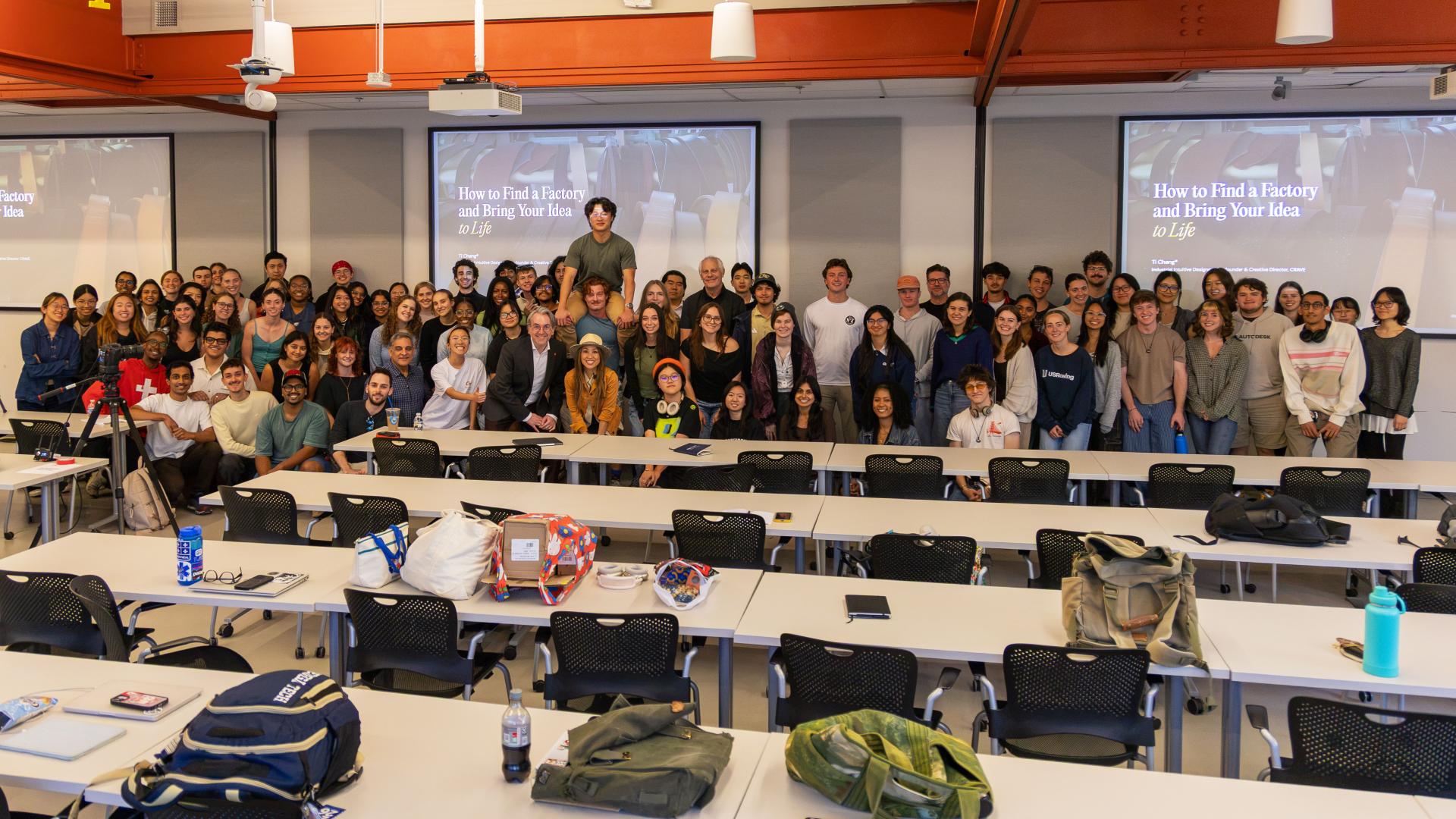
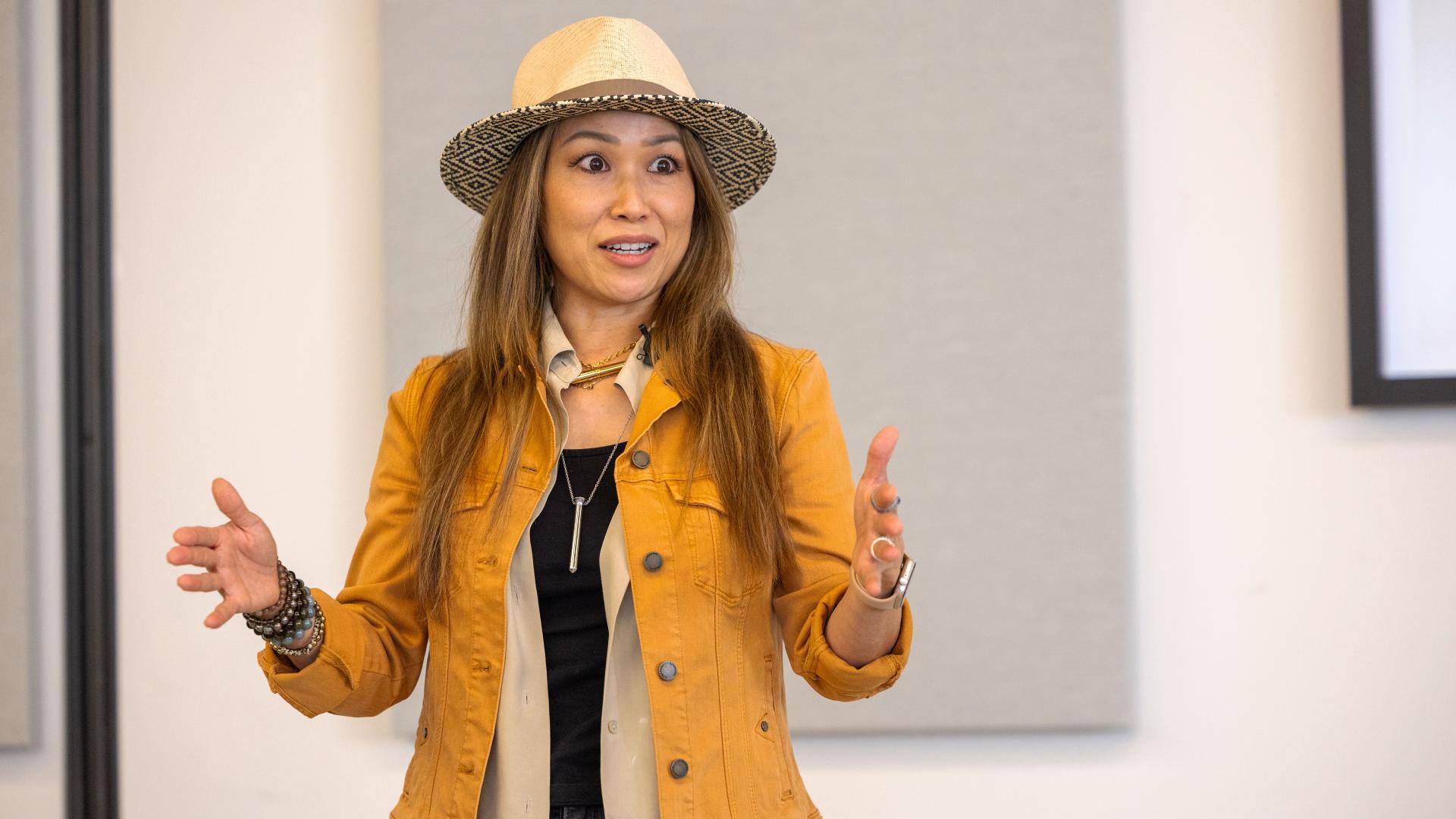
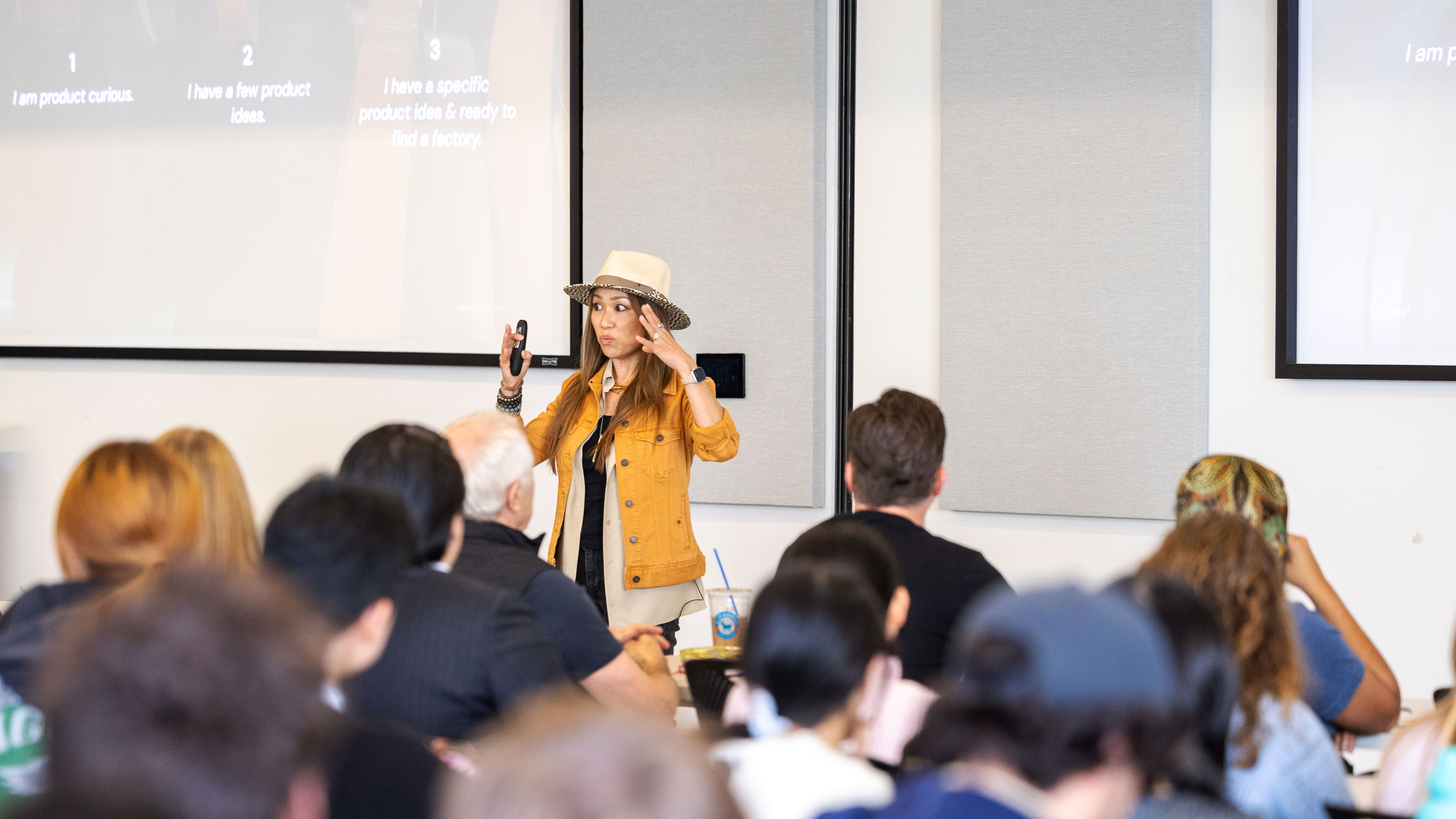
Ti Chang (BSID ’02), an industrial designer and entrepreneur, co-founded CRAVE and helped develop its Vesper necklace, part of the company’s pleasure-jewelry line. At a guest speaker event hosted by the Georgia Tech chapter of the Industrial Designers Society of America (IDSA), Chang shared how intuition helped shape the idea—and how finding manufacturers and building strong relationships helped bring it to market.
Chang saw an opportunity to bring the beauty and expressiveness of jewelry to products associated with pleasure. That conviction, she told students, was the starting point for her work.
That experience led Chang to question a familiar design process: research users, develop concepts, build prototypes, then engage a factory near the end. For a new idea with no established market, she said, that sequence can delay an important reality check. Her approach brings a potential manufacturer into the prototyping stage. Students can learn how a product might be made, develop samples, gather reactions and refine the design before moving toward production.
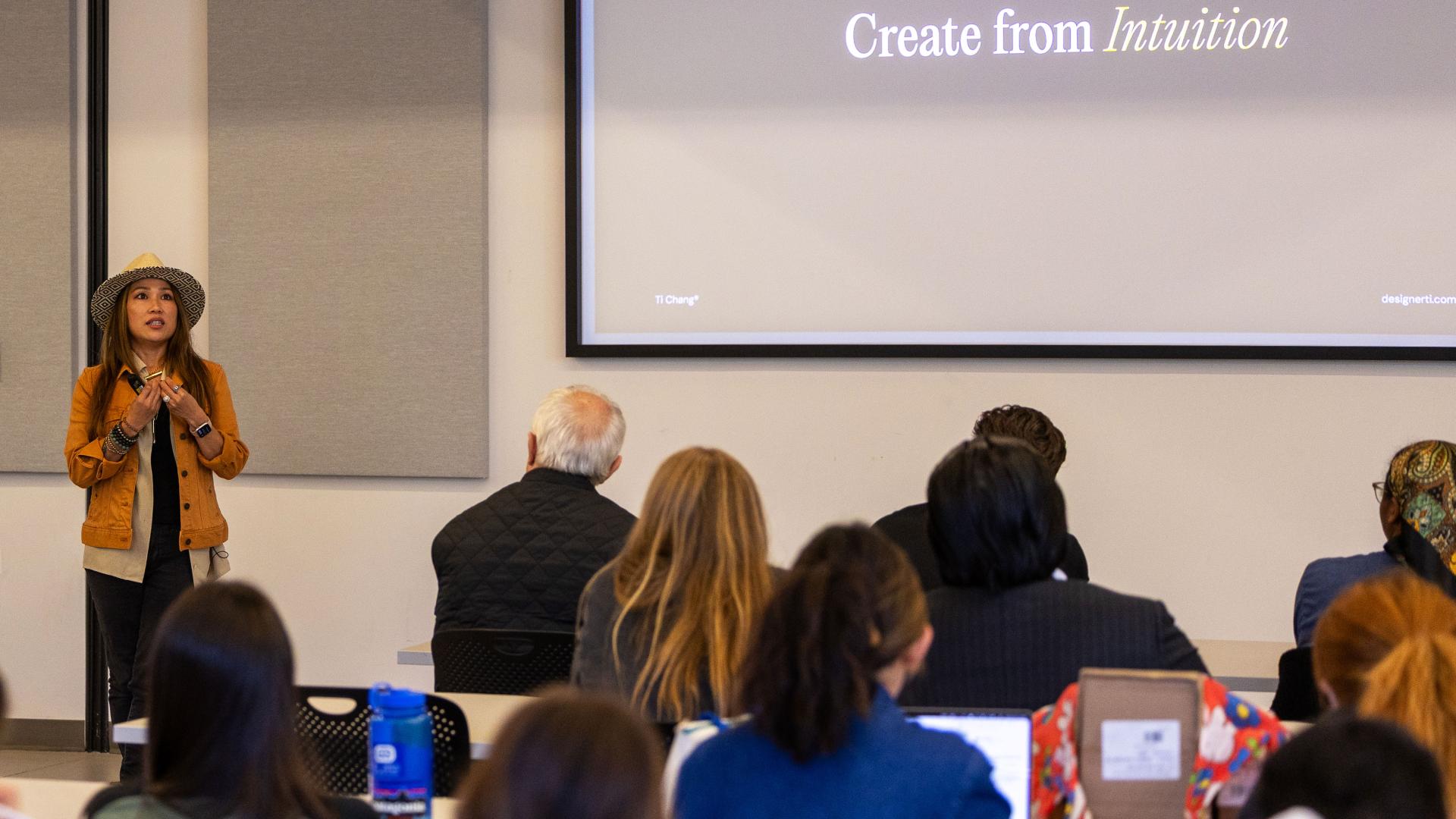
Chang encouraged students to begin with intuition: what they genuinely want to see in the world. Designers, she said, can lose something when they try to predict what others want instead of creating from their own perspective. “You have to make something that comes from you,” she told students, explaining that personal ideas can resonate with others when they express a feeling people recognize.
She also offered a practical framework for finding and evaluating manufacturers. Chang recommended contacting a range of factories, comparing their experience and production capabilities, and looking closely at the products they already make. A supplier’s existing work can reveal whether a particular product is central to its expertise—or outside it.
She advised students to keep initial inquiries concise and specific, asking about sample costs, customization, tooling and timelines. From there, designers can compare how prospective partners respond, narrow the field and make samples with several manufacturers. Those prototypes can help test whether an idea excites potential customers before a larger production commitment.
The process, Chang emphasized, is a collaboration. When working with a factory, designers should be ready to learn how materials, machinery and production methods affect what is possible. Samples may take multiple rounds, and meeting factory teams in person can offer insight that an email exchange cannot.
Chang drew on her own early experience building relationships with manufacturers. After buyers responded enthusiastically to her samples, she did not have the funds for an initial production run. A factory owner who had worked with her through the sampling process agreed to take a chance on a small first order. That relationship helped Chang move from promising prototype to her first purchase order.
The work of building a relationship with a factory can begin before anyone steps onto the production floor. In her experience visiting factories in China, meetings often began with tea and conversation. She recalled being seated with a tea set while senior leaders got to know her and learned why she had come. The visit was not simply a chance to inspect equipment; it was also an opportunity for both sides to build rapport and decide whether they could work well together. A tour might follow once that initial connection had been made.
Chang described meals and social gatherings as another part of that relationship-building. For students, she said, these interactions are part of learning how a potential manufacturing partner works and building trust over time. Customs vary across people and workplaces, but understanding that a factory visit may include more than a technical discussion can help designers arrive with curiosity and respect.
She also stressed that participating in relationship-building does not mean setting aside personal boundaries. Chang advised students—particularly women—to be clear if they do not want to drink. In her experience, a straightforward “I don’t drink” was respected, even if the offer came more than once. Students can engage with local customs while choosing what feels comfortable to them.
Her closing advice connected intuition to the persistence required to bring a product to market. Data and new tools can help designers explore possibilities, she said, but designers still need their own judgment to decide which ideas feel compelling enough to pursue. Turning an idea into a product takes conviction, problem-solving and sustained collaboration.
For students, Chang’s workshop offered a way to connect creative instinct with the realities of making: start with an idea that matters to you, bring manufacturing knowledge into the process early, and build relationships that help the idea take shape.