
Creativity, Empathy is Textbook at Georgia Tech
By Ann Hoevel | October 23, 2026
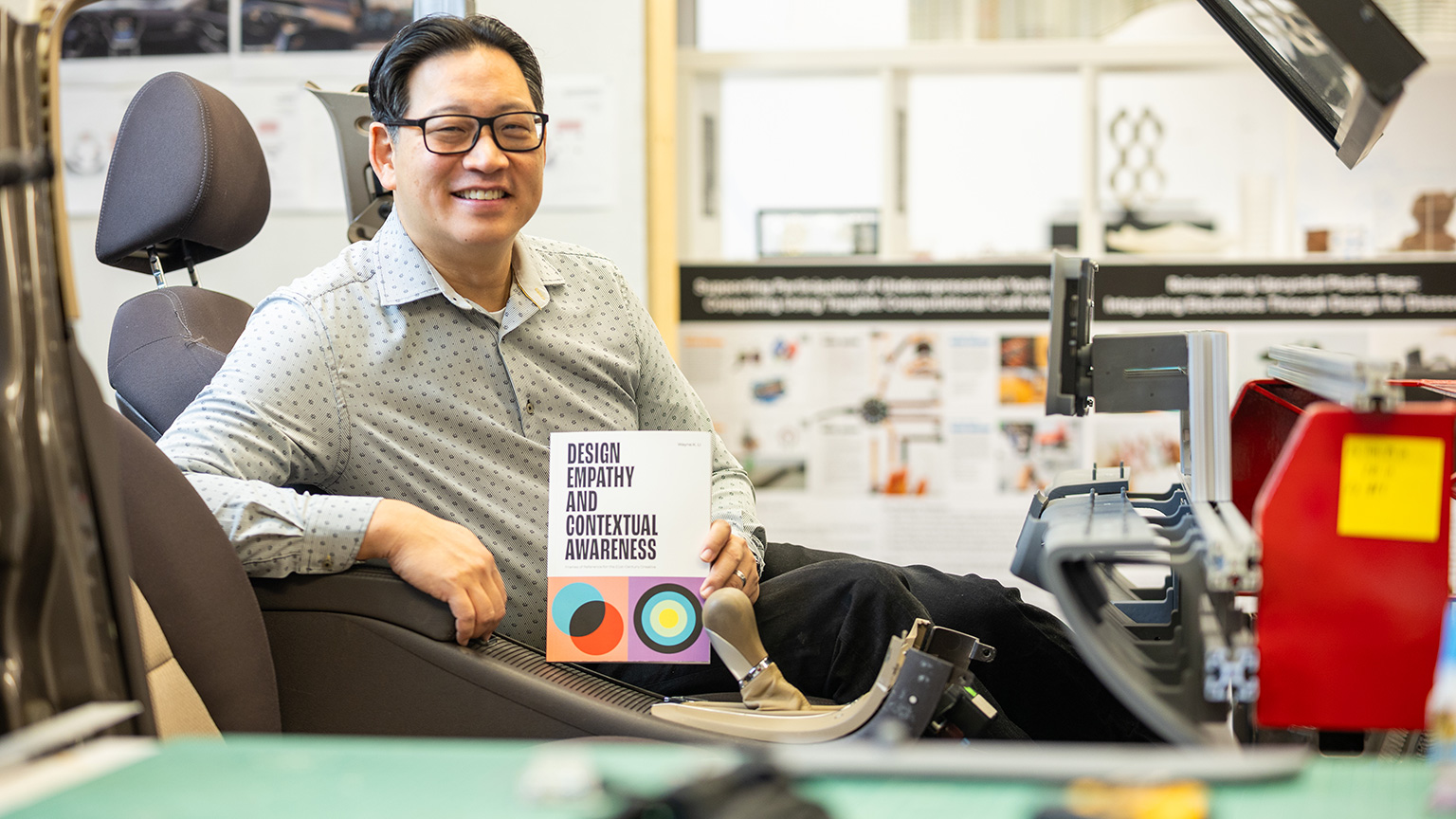
If you want to learn how to be creative, come to Georgia Tech and Wayne Li’s class. Li, the Jim Oliver Professor in the School of Industrial Design and author of Design Empathy and Contextual Awareness, wants to put two popular myths to rest: creativity is not a gift, and empathy is not something you’re either born with or you’re not. Both can be taught, and Li has spent more than a decade proving it.
“You can teach creativity,” Li said. “It’s never like ‘only if you have God-given talent can you be an actor, singer, or designer.’ You can actually teach people how to become better designers.”
The same goes for empathy. “Actors learn how to be empathetic,” Li said. “Journalists learn how to interview people in a way that gets the real story. These things can be taught.”
The techniques that unlock empathy, including deep observation, curiosity, and asking the right questions in the right way, are also design skills, Li said.
Behaviors Behind the Book
Design Empathy and Contextual Awareness was the number one top new release in industrial design on Amazon in its first 30 days. It has since been adopted at Lesley University, Drexel University, Harvey Mudd College, and Tsinghua University in China, which has requested a Chinese translation. It sits in the design bookstore at the SFMOMA. It won a Goodreads Young Adult award. Li has lectured on it at the Royal College of Art in London and will speak at Lesley University and Stanford University next academic year.
At the heart of Li’s textbook is a deceptively simple argument: design is not just a professional skill, it is a whole-life activity, one that requires a particular set of behaviors practiced over time.
Li walks readers through the foundations of design thinking as a whole-brain activity, then into the specific behaviors that define how designers move through the world.
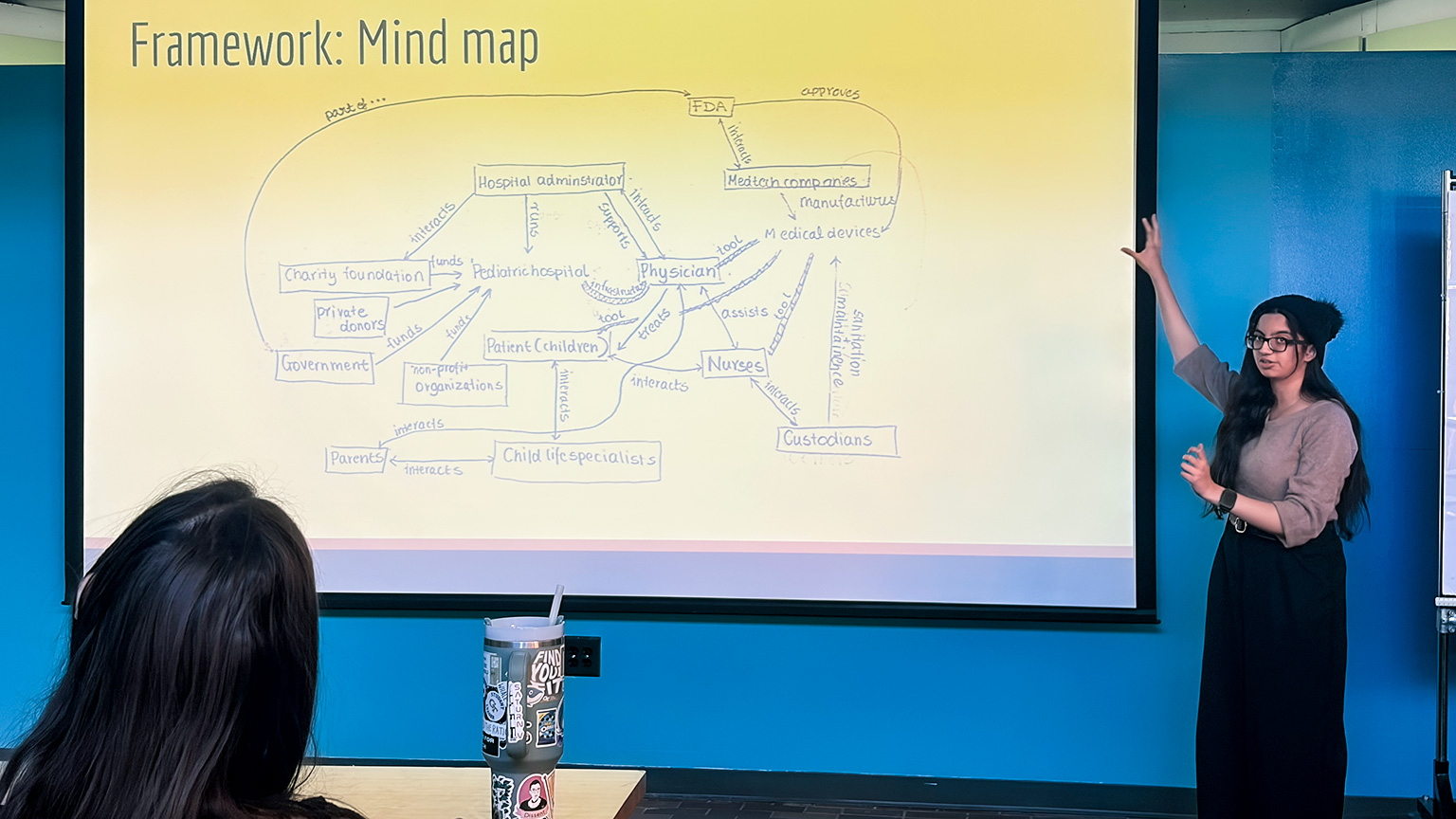
From there, Li explores capabilities that he considers essential and under-taught. The first behavior is empathy, not as a vague aspiration but as a trainable skill with three distinct forms: cognitive empathy, the ability to understand what another person thinks, emotional empathy, the ability to feel what another person feels, and compassionate concern, the ability to enact change without becoming overwhelmed by the first two forms. The second behavior is contextual awareness, what Li describes as the designer’s sixth sense, the ability to read the systems, cultures, and human relationships that surround any design problem.
Together, these form the connective tissue between a designer and the people they design for.
The book is aimed at students and professionals at the front end of the design process, where research, business trends, and human insight converge before a single sketch is made. Li calls this the “fuzzy” front end, and his argument is that the designers who navigate it best are the ones who have learned to see people clearly.
How Georgia Tech Students Prove the Lessons
Georgia Tech’s reputation is built on engineering and computing: high-achieving students, rigorous programs, clear pipelines to industry. What gets less attention, Li said, is what those students are capable of when someone teaches them to see people clearly.
In Li’s class, that means putting the book’s behaviors into practice before any design work begins. Students develop the empathy Li describes and build the contextual awareness to read the systems and relationships surrounding a design problem. The results show up not only in sketches or prototypes, but also in how students understand the people they are designing for.
“They are extremely intelligent and technology savvy,” Li said. “But what I find, even from our very first interactive exercise, is how hungry they are for connection, and being able to utilize that connection to inspire them to shape the world around them. That’s it.”
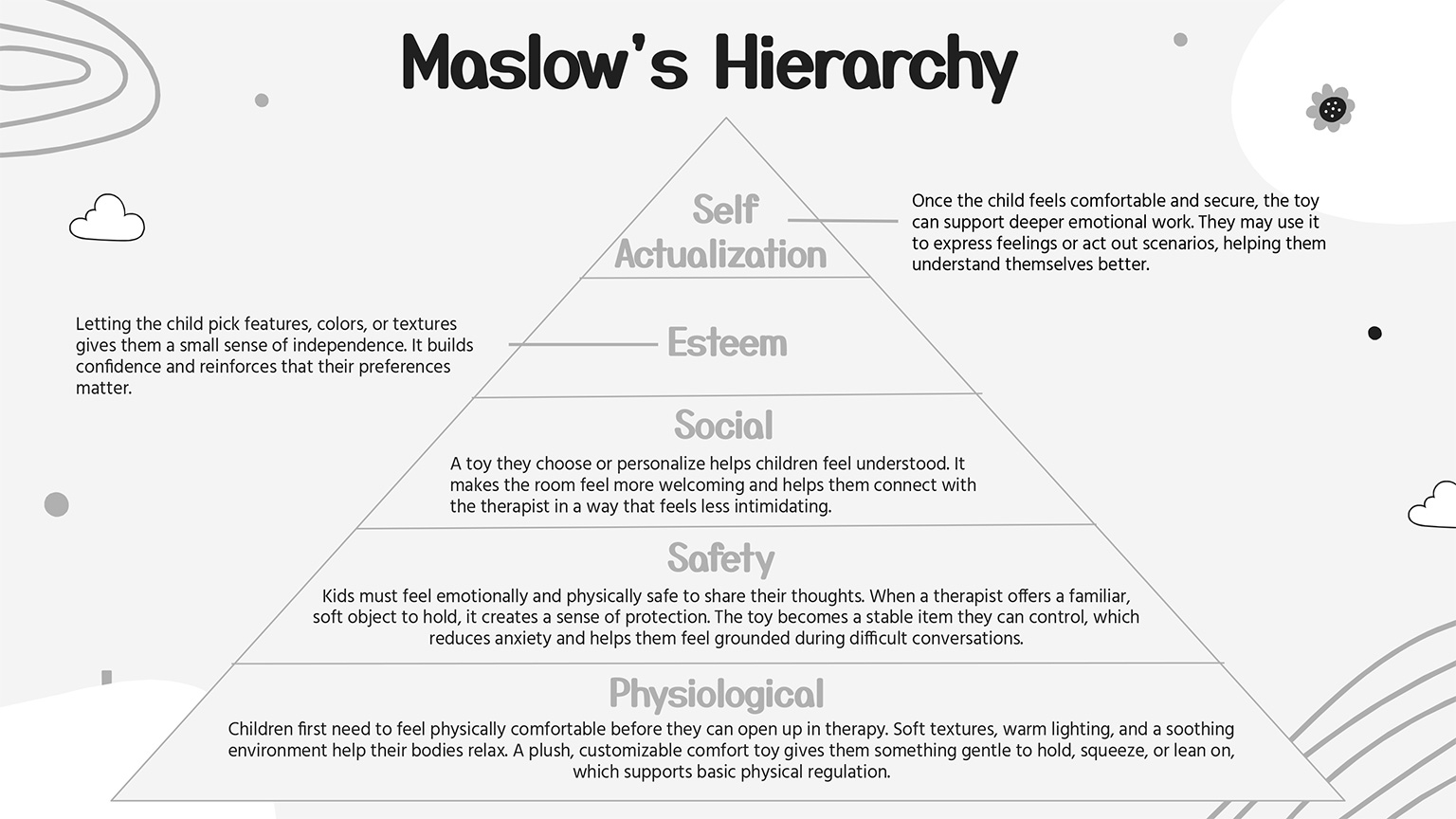
That hunger showed up vividly last fall, when Li’s students researched a project for Georgia Tech’s DPI Lab: a therapeutic, sensor-enabled teddy bear for children with cancer. Before touching a single design tool, students spent weeks at the fuzzy front end of the process, immersed in research and human context, including creating and watching a video about a child living with the disease. Many were visibly moved. All of them arrived at the understanding of not just what they were making, but why it mattered.
“Probably 95% of those students had no experience with childhood cancer before,” Li said. “But now they do. That’s really powerful, that people can understand a new situation from another person’s point of view.”
That outcome is not a coincidence. “If you’re going to take technology and shape it for society and the environment,” he said, “are you worldly enough to understand the power and the responsibility that it has? That’s what we’re teaching.”
At Georgia Tech, it turns out, creativity is very much in the curriculum.